
How to Start an Arcade Business: Step-by-Step Guide
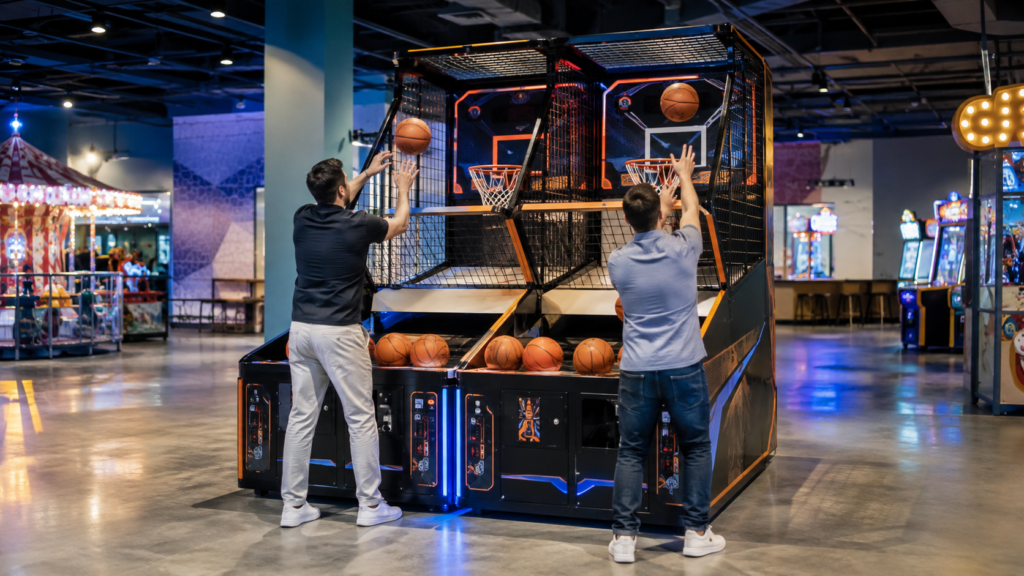
Learning how to start an arcade business requires more than purchasing a collection of attractive game machines. A successful arcade needs a suitable location, a clear customer profile, a balanced machine mix, reliable payment systems, realistic financial planning and consistent daily management.
Whether you plan to open a small mall game zone, a standalone arcade or a complete family entertainment center, the following steps can help you develop a practical project plan.
Quick Answer: How to Start an Arcade Business
The basic process of starting an arcade business includes:
• Researching the local entertainment market
• Selecting an arcade business model
• Preparing a business plan and startup budget
• Finding a suitable commercial location
• Planning the venue layout
• Selecting commercial arcade machines
• Choosing a payment and management system
• Obtaining local licenses and insurance
• Arranging production, shipping and installation
• Recruiting and training employees
• Testing every machine before opening
• Promoting the venue and monitoring performance
The exact process will vary by country, city and project size. Confirm local business, safety, tax and entertainment requirements before committing to a venue or purchasing equipment.
Step 1: Research Your Local Market
Market research should be completed before choosing the machines or signing a lease. Start by identifying the customers you want to attract.
Potential target groups include:
• Families with children
• Teenagers and students
• Young adults
• Shopping mall visitors
• Tourists
• Birthday party groups
• Corporate and team-building groups
Visit competing arcades, indoor playgrounds, cinemas, bowling centers and other entertainment venues in your area. Record their location, customer traffic, game prices, machine categories, promotions, opening hours and online reviews.
Look for opportunities that competitors are not serving well. For example, your area may need more family-friendly games, competitive multiplayer machines, prize redemption games or convenient cashless payment options.
Step 2: Choose Your Arcade Business Model
The business model determines the venue size, equipment mix, staffing requirements and total investment.
Common models include:
Small Arcade Corner
A compact game zone can be placed inside a shopping mall, supermarket, cinema, restaurant, resort or indoor playground. It normally uses a limited number of visually attractive machines and requires fewer employees.
Standalone Arcade
A standalone arcade can provide a wider mix of racing, shooting, sports, claw and redemption games. It needs sufficient customer traffic, clear branding and a strong reason for customers to make repeat visits.
Family Entertainment Center
A family entertainment center may combine arcade games with indoor playgrounds, bowling, party rooms, food and beverage areas or other attractions. This model can serve more customer groups but requires a larger investment and more detailed operational planning.
Specialized Arcade
Some venues focus on a specific category, such as claw machines, racing simulators, sports games, retro games or virtual reality. A focused concept can create a distinctive brand, but the local market must provide enough demand.
| Business model | Space | Machine mix | Staffing | Best suited for |
|---|---|---|---|---|
| Small arcade corner | Compact zone inside an existing venue | A few high-attraction machines | Minimal, often covered by venue staff | Malls, cinemas, restaurants, resorts |
| Standalone arcade | Dedicated unit, medium size | Wide mix across racing, shooting, claw and redemption | Dedicated operations plus technical support | Areas with strong foot traffic |
| Family entertainment center | Large, multi-attraction venue | Arcade plus playground, bowling, party rooms or F&B | Larger operations team | Families and group visits |
| Specialized arcade | Depends on the concept | Focused on one category such as claw, racing, sports, retro or VR | Specialist staff | Markets with proven demand for that niche |
Step 3: Prepare an Arcade Business Plan
A written business plan helps organize the project and identify potential risks before money is committed.
Your arcade business plan should include:
• Business concept and value proposition
• Target customers
• Local competitor analysis
• Proposed location and venue size
• Machine categories and estimated quantity
• Startup budget
• Monthly operating expenses
• Pricing and payment model
• Staffing plan
• Marketing strategy
• Revenue forecast
• Maintenance and spare-parts plan
• Expansion strategy
Use conservative assumptions when forecasting revenue. Customer volume may change according to weekdays, weekends, school holidays, weather and local events.
The business plan should be reviewed and updated as the location, equipment quotation and operating data become available.
Step 4: Calculate Your Arcade Startup Cost
The total arcade startup cost depends on the project size, country, location and equipment configuration.
Your initial budget should include:
• Arcade machines
• Rent and security deposit
• Renovation and electrical work
• Payment and management system
• Prize inventory
• International shipping
• Customs clearance and import duties
• Local delivery and installation
• Business registration and permits
• Insurance
• Marketing
• Employee recruitment and training
• Spare parts
• Working capital
Do not use the entire investment budget to purchase machines. Reserve sufficient funds for daily operation and unexpected expenses during the first few months.
A small arcade corner may start with a limited equipment mix, while a medium or large family entertainment center can require a much larger investment. Prepare a detailed cost estimate before confirming the final machine quantity.
| Cost category | What it covers | Planning note |
|---|---|---|
| Equipment | Arcade machines, spare parts, initial prize stock | Ask for an itemized quotation per machine instead of a lump sum |
| Premises | Rent, security deposit, renovation, electrical work | Confirm electrical capacity and loading access before signing the lease |
| Systems | Payment hardware, card or token system, management software | Decide coin versus cashless operation before ordering cabinets |
| Logistics | International shipping, customs clearance, duties, local delivery and installation | Confirm Incoterms and clarify who handles customs clearance |
| Compliance | Business registration, permits, insurance | Check that entertainment use is permitted before committing to a venue |
| Launch | Marketing, recruitment and staff training | Budget for a launch period before revenue stabilises |
| Working capital | First months of operation and unexpected repairs | Do not spend the entire budget on machines |
Step 5: Select the Right Location
Location can have a major influence on arcade traffic. A smaller venue in a busy commercial area may perform better than a large venue with weak visibility.
Evaluate the following factors:
• Daily and weekend customer traffic
• Nearby schools, residential areas and attractions
• Parking and public transportation
• Visibility from the main entrance
• Monthly rent and lease terms
• Floor space and ceiling height
• Electrical capacity
• Ventilation and air-conditioning
• Loading access for large cabinets
• Local competition
• Safety and emergency-exit requirements
Confirm that arcade or entertainment use is permitted before signing the lease.
Step 6: Plan the Arcade Layout
A good layout makes the venue comfortable, encourages customers to explore and gives employees enough room to operate and maintain the machines.
The floor plan should include:
• Entrance and reception area
• Recharge or token station
• Racing and shooting game zone
• Claw and prize machine zone
• Redemption game zone
• Sports and family game zone
• Prize counter
• Rest area
• Storage and maintenance space
• Safe customer walkways
• Emergency exits
Place visually attractive machines near the entrance to capture attention. Large racing, shooting and multiplayer machines need sufficient space for players and spectators. Children’s machines should be located where parents can supervise easily.
Measure doors, elevators, corridors and loading areas before ordering large cabinets.
Step 7: Choose a Balanced Arcade Machine Mix
The best machine combination depends on the target customers, venue size and operating model.
A balanced arcade may include:
• Racing game machines for competitive play
• Shooting arcade machines for action-based entertainment
• Redemption machines for tickets and prize rewards
• Claw machines for families and young players
• Basketball and boxing machines for sports competition
• Kiddie rides and children’s games
• Motorcycle and driving simulators
• Coin pushers and prize games
• Photo booths and self-service machines
Avoid filling the entire venue with similar machines. Different categories attract different players and help create a complete entertainment experience.
Choose commercial-grade equipment designed for frequent public use. Confirm the machine dimensions, power requirements, language, payment system and maintenance needs before placing the order.
| Machine category | What it delivers | Player profile | Role in the mix |
|---|---|---|---|
| Racing and driving simulators | Head-to-head competition with strong spectator appeal | Teens and young adults | Anchor machines that draw attention near the entrance |
| Shooting arcade machines | Fast action and short, repeatable sessions | Teens and groups | High throughput during peak hours |
| Claw and prize machines | Simple, family-friendly play with a visible prize | Families and children | Repeat play and family appeal |
| Redemption and ticket games | Skill play rewarded with tickets or prizes | Mixed age groups | Encourages return visits |
| Sports and skill games | Physical, competitive play | Teenagers and groups | Adds variety for group visits |
| Kids’ rides and small games | Safe, age-appropriate play | Young children | Brings in family traffic |
Step 8: Select a Payment and Revenue Model
Arcades can use coins, tokens, banknotes, rechargeable cards, QR-code payments or mixed payment systems.
Coin and Token Systems
These systems are simple and familiar in many markets. They may be suitable for small venues or locations where customers prefer cash.
Cashless Card Systems
Rechargeable cards make it easier to manage pricing, promotions and customer balances. Operators can also review machine data and identify popular or underperforming games.
QR-Code and Mobile Payments
QR-code payments may be useful in markets where mobile payment is common. Confirm software compatibility and local payment requirements before implementation.
Additional revenue can come from birthday packages, memberships, group bookings, prize sales, food and beverage, promotional events and cooperation with nearby businesses.
Step 9: Confirm Licenses, Insurance and Safety Requirements
Business and entertainment regulations differ by location. Consult the relevant local authorities and professional advisers before opening.
Requirements may include:
• Business registration
• Tax registration
• Entertainment or amusement permits
• Fire and building inspections
• Electrical safety approval
• Public liability insurance
• Employee insurance
• Music or content licenses
• Prize and redemption regulations
• Food permits if refreshments are sold
Keep inspection, maintenance and incident records. Machines should be installed securely and checked regularly for damaged wiring, loose components or other safety problems.
- Business registration, tax registration and local trading permits
- Entertainment, amusement or gaming licence where your jurisdiction requires one
- Fire safety approval, marked emergency exits and extinguisher checks
- Electrical safety inspection for the installed machine load
- Public liability insurance covering visitors and equipment
- Staff training on machine safety, emergency procedures and cash handling
- Clear signage for age restrictions, safety rules and machine instructions
- Local rules on noise, opening hours and minors
- Payment and data compliance if you operate cashless or card systems
Step 10: Choose a Reliable Arcade Machine Supplier
The supplier should provide more than product pictures and a price list. A reliable supplier should understand commercial operation, international shipping and after-sales support.
Before ordering, confirm:
• Factory or company information
• Product specifications
• Machine dimensions and weight
• Voltage and plug type
• Supported languages
• Coin, card or QR-code compatibility
• Production time
• Quality testing
• Packaging method
• Warranty terms
• Spare-parts availability
• Technical support
• Shipping documents
Request videos, detailed images and configuration information. Make sure the quotation clearly lists the included components and optional features.
Step 11: Arrange Production, Shipping and Installation
International arcade machine orders require careful logistics planning.
Provide the supplier with:
• Destination country and port
• Consignee information
• Preferred shipping method
• Required delivery date
• Venue access information
• Voltage and plug standard
• Packaging requirements
Machines should be tested before shipment and protected with suitable foam, stretch film and export-grade wooden packaging. After delivery, inspect the packaging before unloading and document any visible damage.
Follow the installation instructions and test the display, sound, controls, payment system and safety functions before allowing customers to use the machines.
Step 12: Prepare for Opening
Create a pre-opening checklist several weeks before the launch.
Important tasks include:
• Completing licenses and inspections
• Testing every arcade machine
• Setting game prices and prize values
• Loading prizes and operating supplies
• Training employees
• Preparing maintenance tools and spare parts
• Testing the payment system
• Installing signs and safety notices
• Creating cleaning procedures
• Preparing opening promotions
• Setting up social media and local business listings
A soft opening can help the team test the venue with a limited number of customers. Use the feedback to improve machine placement, game pricing, employee procedures and customer flow.
- Test every machine under real playing conditions, not just power-on
- Verify card readers, coin acceptors and the management system before opening day
- Print and display pricing, game rules and the prize redemption rate
- Stock prizes so redemption counters never run empty in the first weeks
- Brief staff on basic troubleshooting and who to call for technical support
- Walk the venue for emergency exits, lighting and clear customer pathways
- Set opening hours and a staffing rota that covers weekends and school holidays
- Prepare a launch promotion and register the venue on Google Business Profile
- Agree a simple weekly review of revenue per machine and per zone
How to Market a New Arcade Business
Begin marketing before the official opening date.
Effective local promotion may include:
• Social media videos showing the venue and machines
• Opening-day discounts
• Recharge-card bonuses
• Birthday and group packages
• School-holiday promotions
• Partnerships with malls, cinemas and restaurants
• Local influencer visits
• Membership programs
• Weekly competitions
• Customer referral rewards
Clear photos and videos are especially important because arcade customers respond strongly to visual experiences.
How to Manage the Arcade After Opening
Opening day is only the beginning. Review operating data regularly and make improvements based on actual customer behavior.
Monitor:
• Revenue for each machine
• Customer traffic by day and hour
• Prize and ticket costs
• Electricity and staffing expenses
• Machine downtime
• Maintenance frequency
• Customer comments and online reviews
• Membership and repeat-visit rates
Move underperforming machines to different positions, adjust pricing when appropriate and refresh the game mix over time. Keep popular machines clean and fully operational.
Common Mistakes to Avoid
New operators should avoid these common problems:
• Selecting a venue without studying customer traffic
• Buying machines before confirming the floor plan
• Purchasing too many similar games
• Ignoring freight, duties and installation costs
• Underestimating electrical and air-conditioning needs
• Spending the entire budget before opening
• Failing to prepare spare parts
• Using unclear pricing
• Opening without staff training
• Depending only on walk-in traffic
• Ignoring customer feedback and machine data
Careful planning before purchasing equipment can prevent expensive changes later.
Why Work With LeChuang?
LeChuang manufactures and supplies commercial arcade equipment for game centers, shopping malls, indoor playgrounds and family entertainment centers.
Our project support includes:
• Commercial arcade machine selection
• Venue-size and budget-based recommendations
• Preliminary machine layout support
• OEM and ODM customization
• Voltage, plug, language and payment options
• Production testing and quality inspection
• Export packaging
• Worldwide shipping assistance
• Spare-parts and after-sales support
We can recommend a suitable equipment mix for a compact arcade corner, standalone game center or complete FEC project.
Frequently Asked Questions
How much money do I need to start an arcade business?
The total depends mainly on venue size, location and machine count rather than on any single price list. A compact arcade corner needs a limited machine mix plus rent, renovation, payment systems, shipping and working capital. A full family entertainment center adds attraction zones, more staff and higher fit-out costs. Build the budget from an itemized equipment quotation and reserve part of the budget for operating costs during the first months.
How many arcade machines do I need to start?
Start with a mix that covers different play styles rather than a large number of similar cabinets. A small venue can open with a handful of machines across two or three categories, while a dedicated arcade typically needs enough units to fill several zones without crowding the walkways. The right number is the one your floor plan and budget can support while keeping every machine earning.
How much space does an arcade need?
Space requirements depend on the cabinet types you choose. Large racing simulators, shooting cabinets and multiplayer machines need clearance for players and spectators, while claw machines and small games fit into compact areas. Always measure doors, lifts, corridors and loading access before ordering, because a cabinet that cannot reach the floor cannot be installed.
Which arcade machines make the most money?
Earnings depend on location, pricing and machine mix rather than on one “best” machine. Racing and shooting cabinets usually generate high throughput and attract attention, claw and prize machines encourage repeat play from families, and redemption games support return visits. Track revenue per machine weekly and move underperforming units to weaker positions before buying more cabinets.
How long does it take to open an arcade?
Timelines vary with permits, renovation and equipment lead time. Production and testing of the machines, international shipping, customs clearance and local installation all sit on the critical path, so confirm the production schedule before fixing an opening date. Allow extra time for licence approval and for fitting out the venue.
Do I need staff to run an arcade?
A small arcade corner can often be supervised by existing venue staff, while a standalone arcade or family entertainment center needs dedicated staff for reception, prize counters, cleaning and basic machine maintenance. Even with cashless payment, budget for at least one person who can handle customer questions and first-line troubleshooting.
How do I choose an arcade machine supplier?
Look for a factory-direct manufacturer that can show its production capability, confirm customization options and support you after delivery with spare parts and technical guidance. Ask for an itemized quotation, written lead times and references from buyers in your region, and confirm who handles shipping, customs and installation. Our guide to choosing an arcade machine supplier in China covers this process step by step.
How much money do I need to start an arcade business?
The investment depends on the venue, country and number of machines. Include equipment, rent, renovation, shipping, licenses, marketing and working capital when calculating the budget.
How many arcade machines should I start with?
A small game corner may begin with approximately 5–10 machines. A standalone arcade may require 15–30 machines or more. The correct quantity depends on the floor plan and machine sizes.
What arcade machines are best for a new business?
A mixture of racing, shooting, redemption, claw, sports and family-friendly machines is usually more attractive than one category alone. Select the mix according to the target customers.
Can I start an arcade inside an existing business?
Yes. Shopping malls, cinemas, restaurants, resorts, indoor playgrounds and retail venues may add a compact arcade zone to create another revenue source.
Can LeChuang help me start an arcade business?
Yes. Send us your destination country, venue size, target customers, preferred machine types and budget. We can recommend suitable equipment and prepare a quotation.
Related Guides and Equipment
- Arcade machine supplier in China: how to choose and verify a factory
- How much does it cost to open an arcade? Cost structure explained
- Arcade game room layout: planning zones and customer flow
- Best arcade machines for a family entertainment center
- Family entertainment center arcade solution
- Racing game machines for competitive play
- Claw and prize machines for family venues
- Shooting arcade machines for high-throughput zones
- Redemption game machines that drive repeat visits
- Used and refurbished arcade machines for tighter budgets
- Vending machines for unattended revenue
- See real arcade project cases by LeChuang
Request a Custom Arcade Business Plan
If you are researching how to start an arcade business, LeChuang can help with equipment selection and preliminary project planning.
Contact LeChuang with your destination country, venue dimensions, target customer group, preferred machine categories and estimated budget. Our team will recommend a practical commercial arcade machine mix and prepare a detailed quotation for your project.